Ion Exchange Resin for Water Softening: Benefits & Working Process

Water quality plays a major role in industrial operations, commercial facilities, and residential applications. Hard water containing calcium, magnesium, and other dissolved impurities can reduce equipment efficiency, damage pipelines, and affect overall water usability. This is where Ion Exchange Resin becomes an essential part of modern water treatment systems.

Ion Exchange Resin is widely used for water softening, demineralization, purification, and chemical separation processes. It helps remove unwanted ions from water and replaces them with useful ions, making water safer and more suitable for industrial and domestic applications.

At Hanumanta Watertech, we provide high-quality water treatment solutions designed for long-term performance, reliability, and efficiency. In this detailed guide, you will learn about the working process, types, applications, benefits, packing standards, and how to choose the right resin for your system.

What is Ion Exchange Resin?

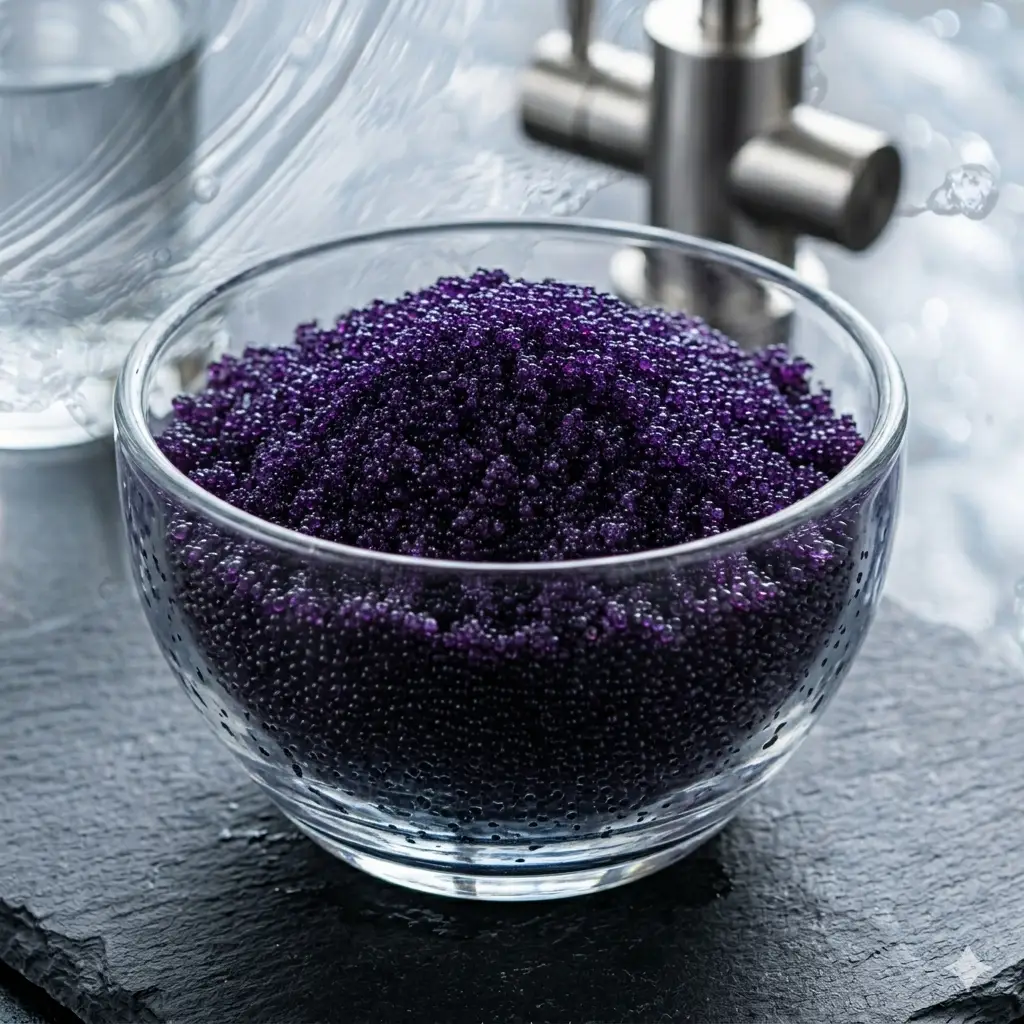
Ion Exchange Resin is a specially manufactured polymer material used to remove dissolved ions from water. These resins appear as small spherical beads and are designed to exchange unwanted ions in water with more desirable ions.

In water softening systems, the resin removes hardness-causing minerals such as calcium and magnesium and replaces them with sodium or hydrogen ions. This process improves water quality and prevents scaling in pipelines, boilers, and industrial equipment.

Ion exchange technology is considered one of the most efficient methods for water purification because it delivers:

  • High purification efficiency
  • Consistent water quality
  • Long operational life
  • Reduced maintenance costs
  • Better equipment protection

The resin beads are porous, allowing water to pass through while capturing unwanted ions. Once the resin becomes saturated, it can be regenerated and reused multiple times, making it a cost-effective water treatment solution.

Ion Exchange Resins

How Does Ion Exchange Resin Work?

The working principle of Ion Exchange Resin is based on the exchange of ions between the resin and water.

Step-by-Step Working Process

1. Hard Water Enters the System

Water containing calcium and magnesium ions enters the resin tank.

2. Ion Exchange Begins

The resin beads contain sodium or hydrogen ions attached to their surface. As hard water passes through the resin bed, calcium and magnesium ions are attracted and trapped by the resin.

3. Replacement of Ions

The resin releases sodium or hydrogen ions into the water while capturing hardness minerals.

4. Soft Water Output

The treated water leaving the system becomes soft and suitable for industrial or domestic use.

5. Regeneration Process

After continuous use, the resin becomes exhausted. A salt solution or chemical regenerant is used to restore the resin’s exchange capacity.

This process allows the resin to be reused repeatedly without losing efficiency when maintained properly.

Types of Ion Exchange Resins

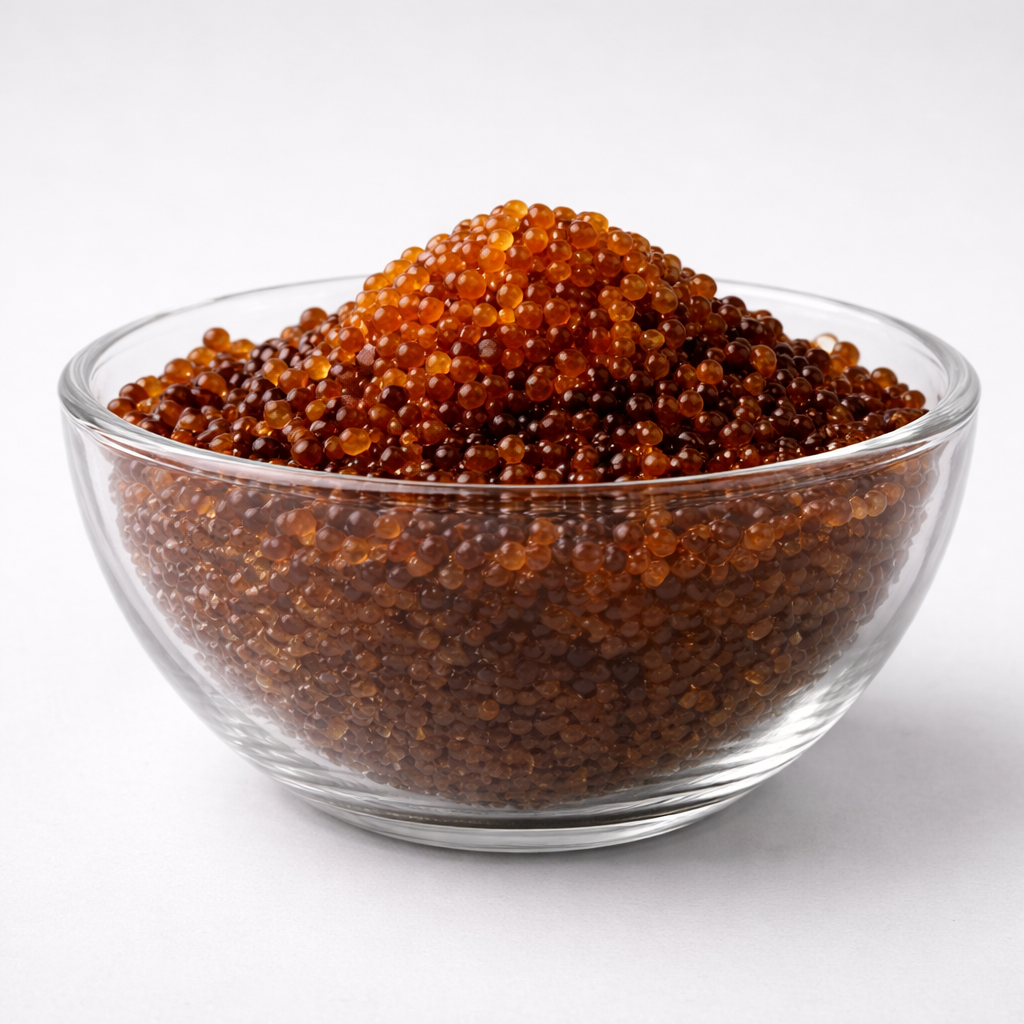
1. Cation Exchange Resin
Cation Resins
Cation Resins

Cation exchange resins remove positively charged ions from water, such as:

  • Calcium
  • Magnesium
  • Iron
  • Sodium

These resins are mainly used in water softening and demineralization systems.

Types of Cation Resin

  • Strong Acid Cation Resin
  • Weak Acid Cation Resin

Applications

  • Water softeners
  • Boiler feed treatment
  • Industrial water purification

2. Anion Exchange Resin

https://images.openai.com/static-rsc-4/-0NjK7GtVUXaVPChiPREji-DaW5RSt6NTswNol4i-GvvBZISwWub6z8XLZ0fGkRiiWaowIDGHkvhXZ_TnT5pCWmZB3tL3T3yR7GimrpQ3FekJIr3OhSGyZ8XklCruyPOlWSc8MK8tVmhZKXSHijk1ehPkbNK1oHR64bDfbxGp3pa2bF4vdNOvAhOnUgct1uP?purpose=fullsize

Anion exchange resins remove negatively charged ions such as:

  • Chlorides
  • Sulfates
  • Nitrates
  • Silica

These resins are commonly used in demineralization plants and high-purity water systems.

Types of Anion Resin

  • Strong Base Anion Resin
  • Weak Base Anion Resin

Applications

  • DM plants
  • Pharmaceutical industries
  • Chemical processing

3. Mixed Bed Resin

https://images.openai.com/static-rsc-4/gO4OVEriYW-aTnBz1ztretQZTQvQ-6y8dUkc3LN3P6aYnd77dHvLcP7a71jpoDHlT4MF0M5fuYw-C2YtJO5xm2he_dZLfz_Co4mzd6ykvTjIYl-RG6QSthhtwnfedO5ifUQFevPXPxciSYBibYPQeTK_oCjIooMH0qKf5C7NkFlT5FwRS_Io1zA92MfGzSrk?purpose=fullsize

Mixed bed resin contains both cation and anion exchange resins in a single vessel. It delivers extremely pure water and is commonly used where ultra-high purity is required.

Applications

  • Power plants
  • Electronics industry
  • Laboratory water purification
  • Semiconductor manufacturing

Benefits of Ion Exchange Resin

Using Ion Exchange Resin offers several operational and environmental advantages.

1. Effective Water Softening

It efficiently removes hardness-causing minerals and prevents scale formation.

2. Improves Equipment Life

Soft water reduces corrosion and extends the life of pipelines, boilers, and machinery.

3. Cost-Effective Solution

Regenerable resin reduces replacement costs and improves long-term savings.

4. High Purification Efficiency

Removes dissolved impurities with excellent accuracy.

5. Reduces Maintenance

Minimizes scaling and operational downtime.

6. Eco-Friendly Water Treatment

Supports water reuse and reduces chemical waste.

7. Suitable for Multiple Industries

Can be customized for different industrial applications.

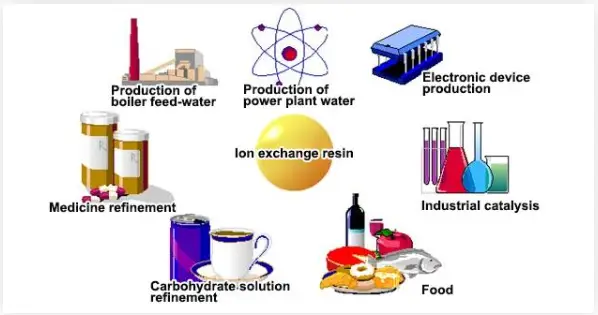
Where Are Ion Exchange Resins Used?

Ion Exchange Resin Use

Ion Exchange Resin is used across multiple industries where purified or softened water is required.

  • Industrial Water Treatment

Used in manufacturing plants to remove dissolved salts and minerals.

  • Pharmaceutical Industry

Helps produce high-purity water required for medicines and laboratory applications.

  • Food & Beverage Industry

Ensures water quality standards for processing and production.

  • Power Plants

Used in boiler feed water treatment systems to prevent scaling.

  • Chemical Industry

Supports chemical separation and purification processes.

  • Residential Water Softeners

Used in domestic water softening systems for better household water quality.

  • Electronics Industry

Produces ultra-pure water for semiconductor manufacturing.

Ion Exchange Resin in Water Softening

Water softening is one of the most common applications of Ion Exchange Resin.

Hard water contains minerals that create scale deposits inside pipes, water heaters, cooling towers, and industrial machinery. These deposits reduce efficiency and increase maintenance costs.

How Resin Helps in Water Softening

  • Removes calcium and magnesium ions
  • Prevents scale buildup
  • Improves soap efficiency
  • Enhances appliance performance
  • Extends equipment life

Industries Benefiting from Soft Water

  • Textile industry
  • Hotels and hospitals
  • Manufacturing plants
  • Laundry services
  • Food processing units

By using high-quality resin systems, businesses can improve operational efficiency while reducing maintenance expenses.

Why Choose Hanumanta Watertech?

Choosing the right water treatment partner is essential for long-term operational success. Hanumanta Watertech provides advanced water treatment solutions designed to meet industrial and commercial requirements.

Our Key Advantages

  • High-Quality Products

We provide reliable and performance-tested water treatment materials.

  • Technical Expertise

Our experienced team helps customers select suitable solutions for different applications.

  • Customized Solutions

Every industry has different water treatment requirements, and we offer tailored systems accordingly.

  • Competitive Pricing

We provide quality solutions at cost-effective prices.

  • Reliable Support

From product selection to after-sales assistance, our team ensures smooth customer support.

  • Timely Delivery

Efficient logistics ensure quick and secure product delivery.

Industry Applications

We serve multiple sectors including:

  • Pharmaceuticals
  • Power plants
  • Chemical industries
  • Commercial facilities
  • Manufacturing units
1. What is Ion Exchange Resin used for?

Ion Exchange Resin is mainly used for water softening, demineralization, purification, and removal of dissolved impurities from water. It is commonly used in industries such as pharmaceuticals, power plants, food processing, chemicals, and residential water treatment systems.


In water softening systems, Ion Exchange Resin removes hardness-causing minerals like calcium and magnesium from water and replaces them with sodium ions. This process helps prevent scale formation and improves water quality.

The lifespan of Ion Exchange Resin depends on water quality, operating conditions, and maintenance. High-quality resin can typically last between 3 to 10 years with proper regeneration and system care.

Cation resin removes positively charged ions such as calcium and magnesium.
Anion resin removes negatively charged ions such as chlorides and sulfates.
Both are commonly used together in demineralization systems.

Industries that commonly use Ion Exchange Resin include:
Water treatment plants
Pharmaceutical industries
Food & beverage industries
Power plants
Textile industries
Chemical manufacturing units
Electronics and semiconductor industries

Leave a Comment

Your email address will not be published. Required fields are marked *

Scroll to Top